Chengdu Art Museum, Chengdu Tianfu Art Museum, Chengdu Museum of Contemporary ArtFebruary to August 2026
Chairman of the Academic Committee Fan Di’an, General Curator Wu Hongliang
Andrea B. Del Guercio
Co-curators: Luming Zhang and Liao Yingyi
“The Museum is my Home – Il Museo è la mia Casa”
Anonymous prints and photographs, books, two vases and a porcelain tea set, Italian and Chinese furniture.
The installation aims to offer visitors a “furnished” environment generated through the hybridisation of objects belonging to the artist’s private sphere and others drawn from the collective cultural heritage of the city of Chengdu. The space brings together furnishings formerly owned by European and Chinese families, thus configuring what may be defined as a “shared domestic space.”
Within this domestic setting, and in accordance with the Western museological tradition, a quadreria is articulated: a display of works drawn from the artist’s private collection, shaped by his aesthetic sensibility. This assemblage brings together expressive “fragments” by diverse artists, alongside anonymous prints and photographs. To this body of material originating in Italy are juxtaposed a series of works—paintings, sculptures, vases, and pictorial objects—selected from among Chinese artists with whom Del Guercio has, over time, established enduring relationships of friendship and mutual esteem.
The installation is not conceived as an autonomous or self-contained artwork, but rather as a habitable, collective, and hospitable spatial work, arising from aesthetic and cultural cross-fertilisation. It operates in the present while projecting itself toward the future of those who, individually or as family units, choose to create their own “House Museum,” conceived as a repository of personal history, interests, and taste.
The objective of this visitor-accessible installation is to provide a model capable of activating and expanding forms of accessibility to the art system—thereby strengthening internal demand within Chinese society—within a framework of renewal and transformation of the concept of collecting itself. This transformation is understood not solely in financial terms but also as a cultural shift, aimed at revitalising a tradition of widespread private collecting no longer restricted to limited social strata, and recalling its historically central role in the formation of artistic and museum heritage worldwide.
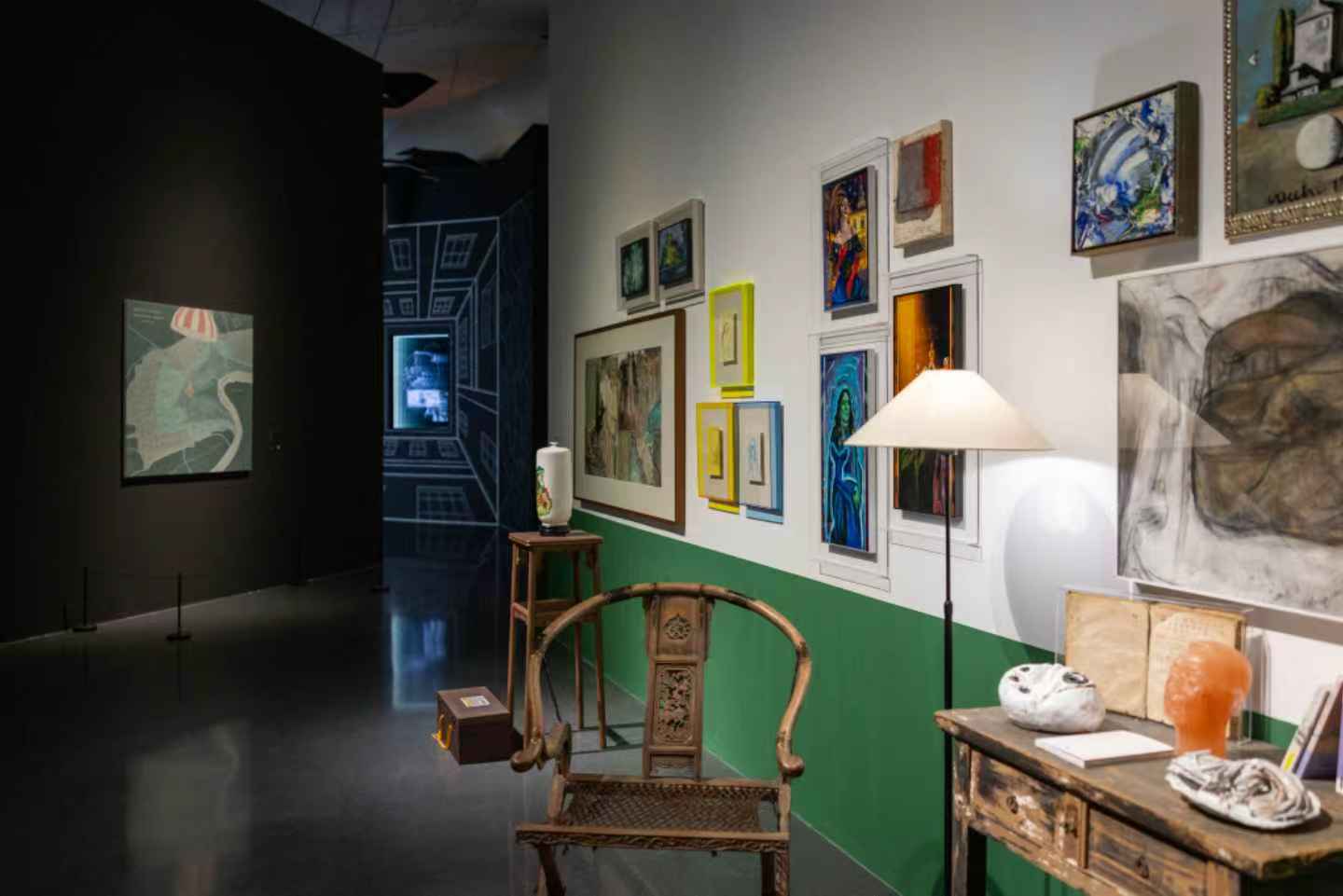
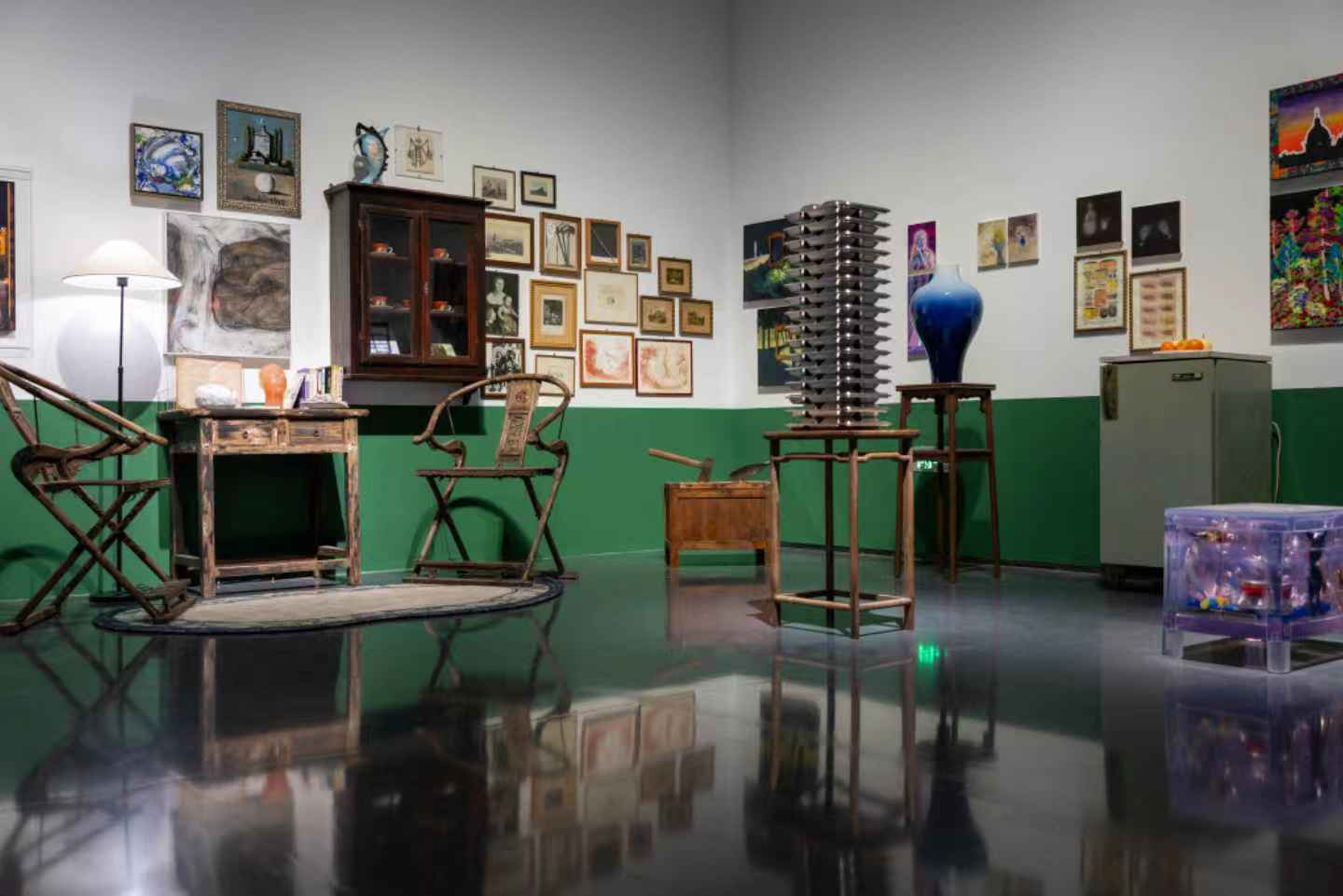
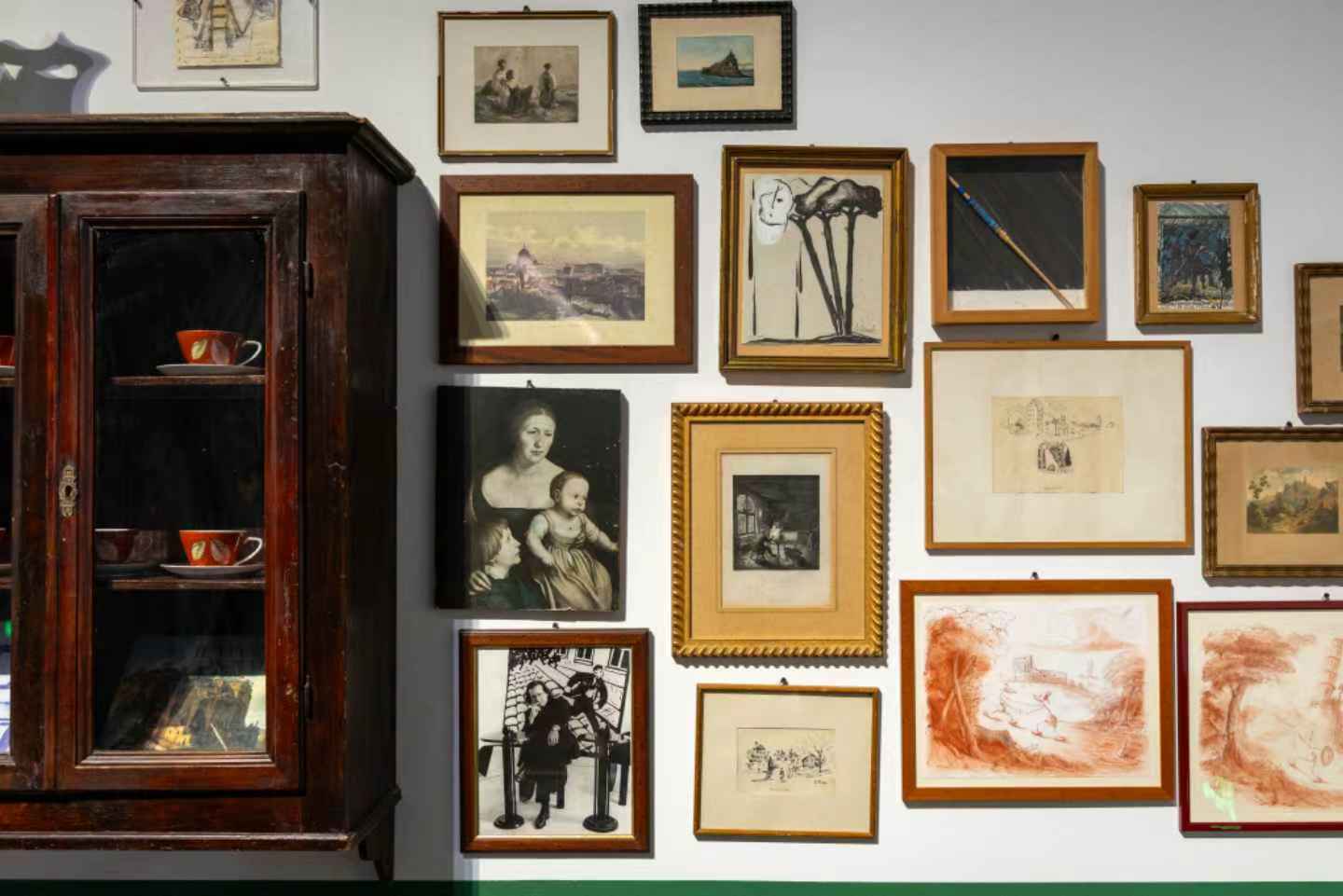
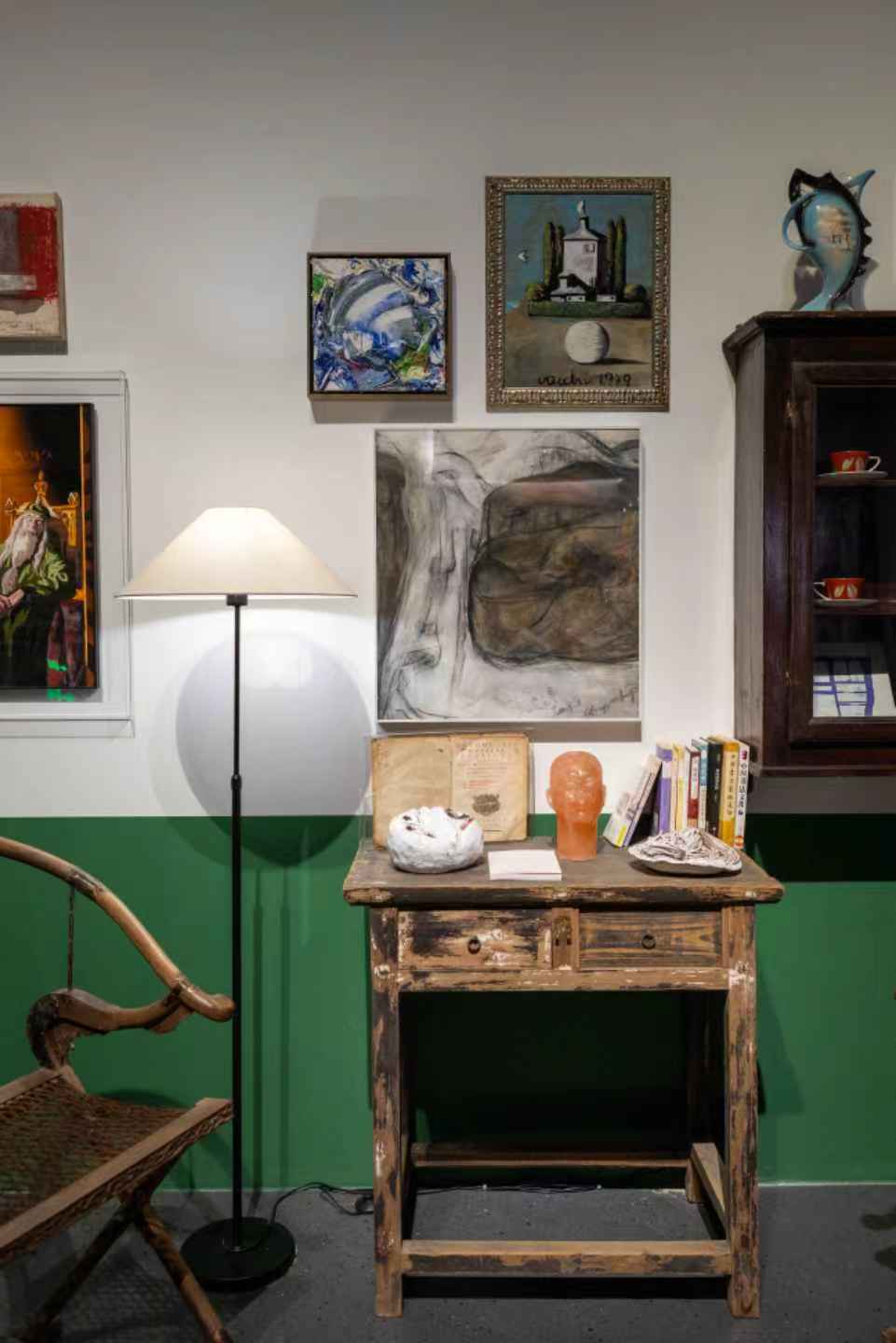
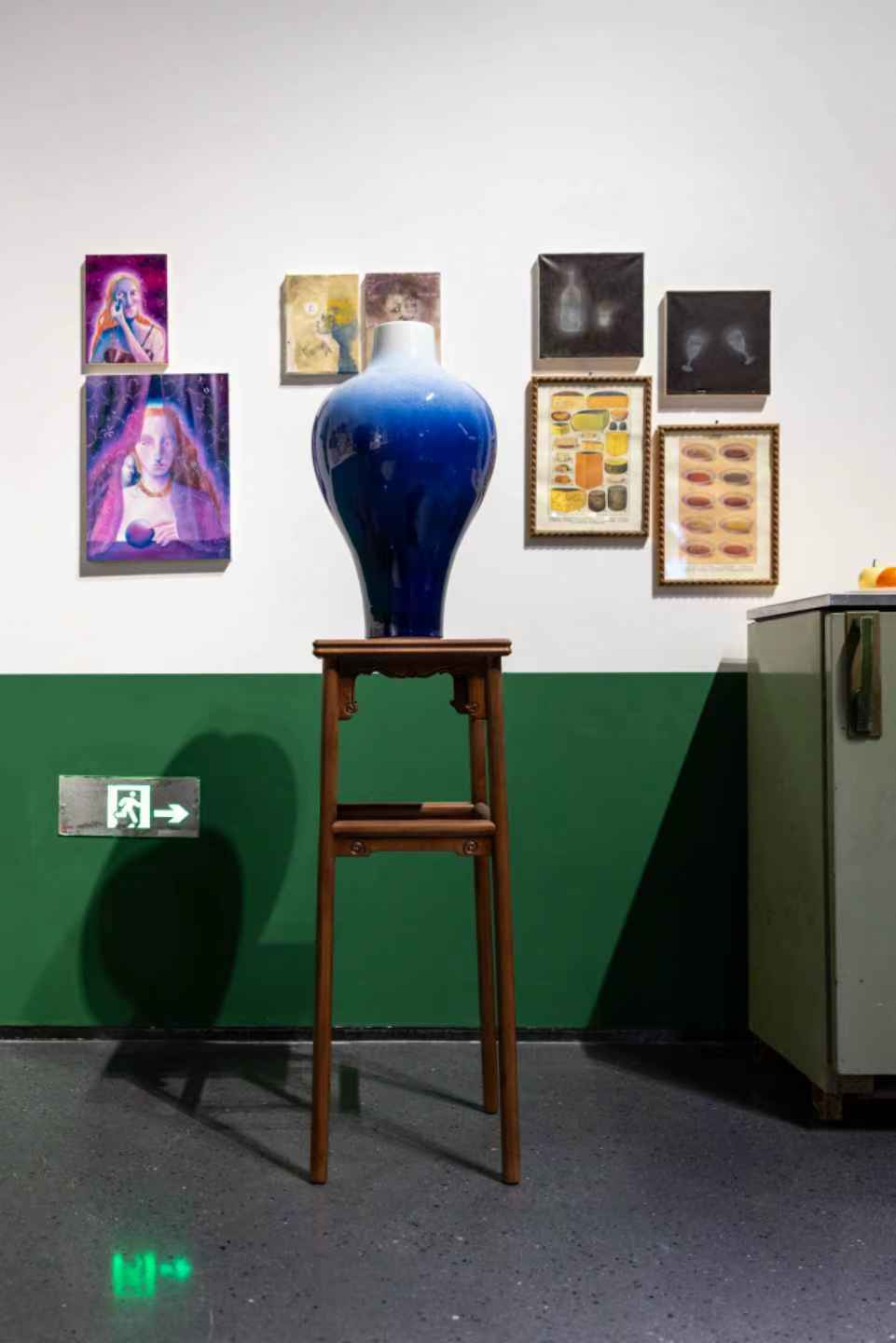
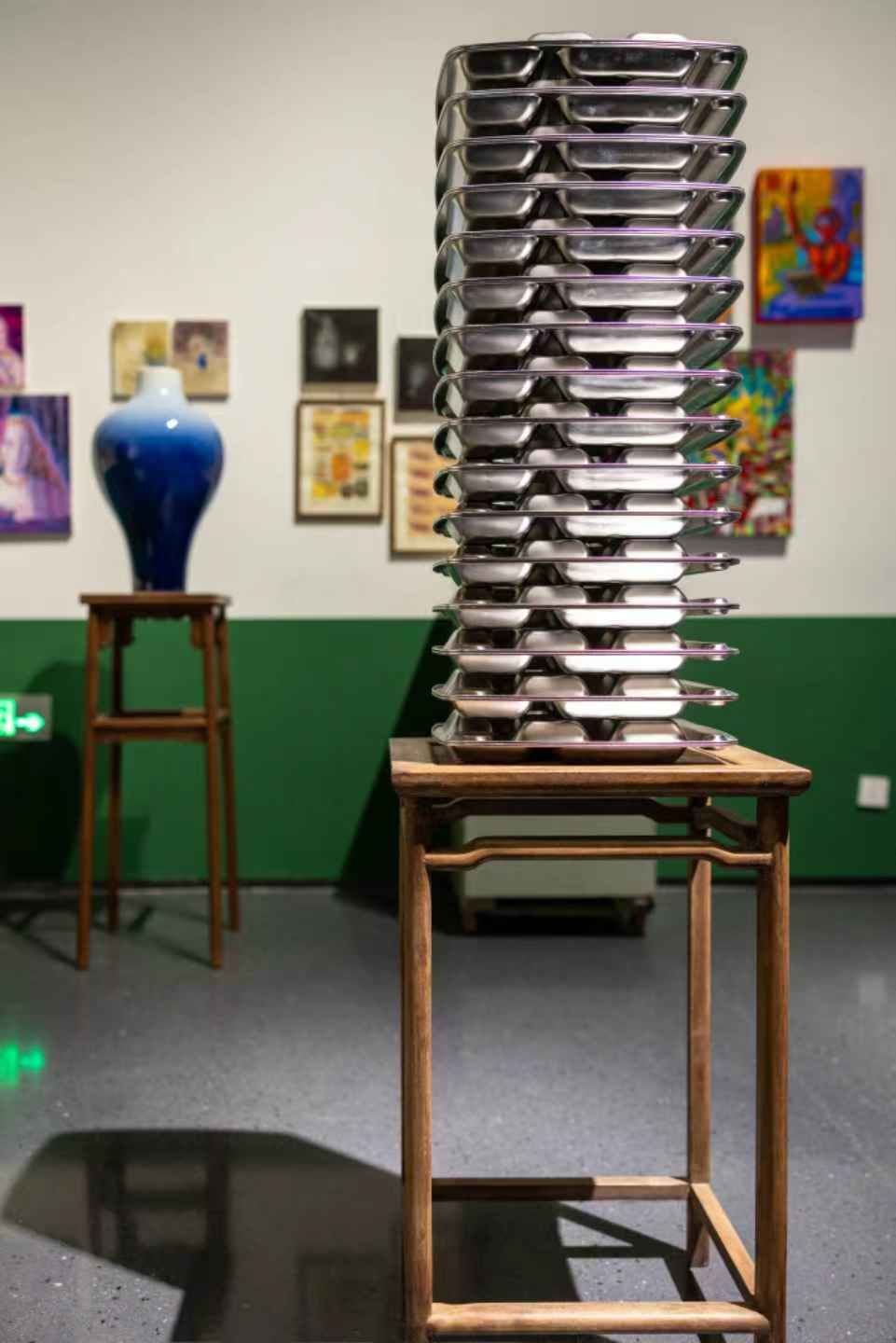
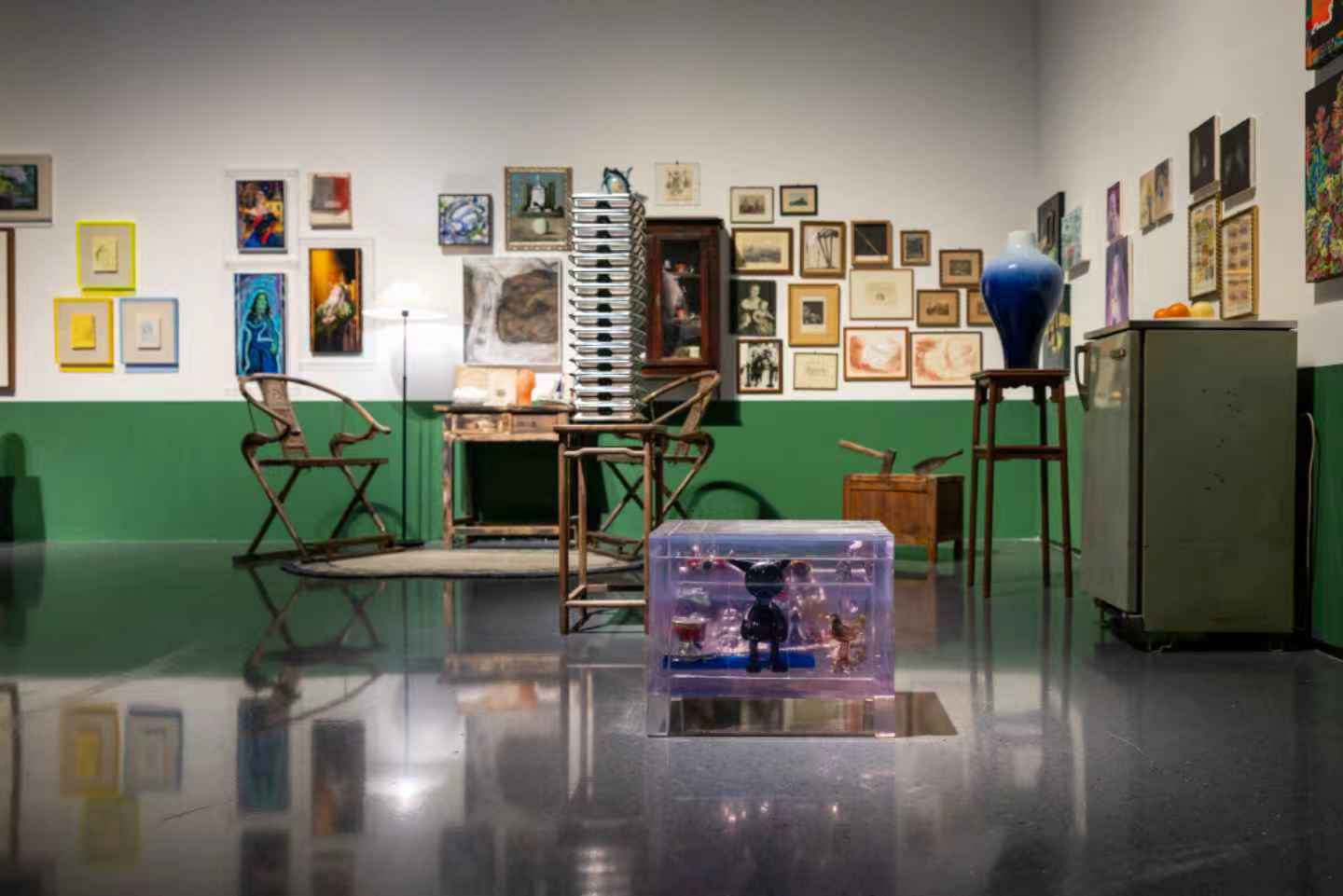
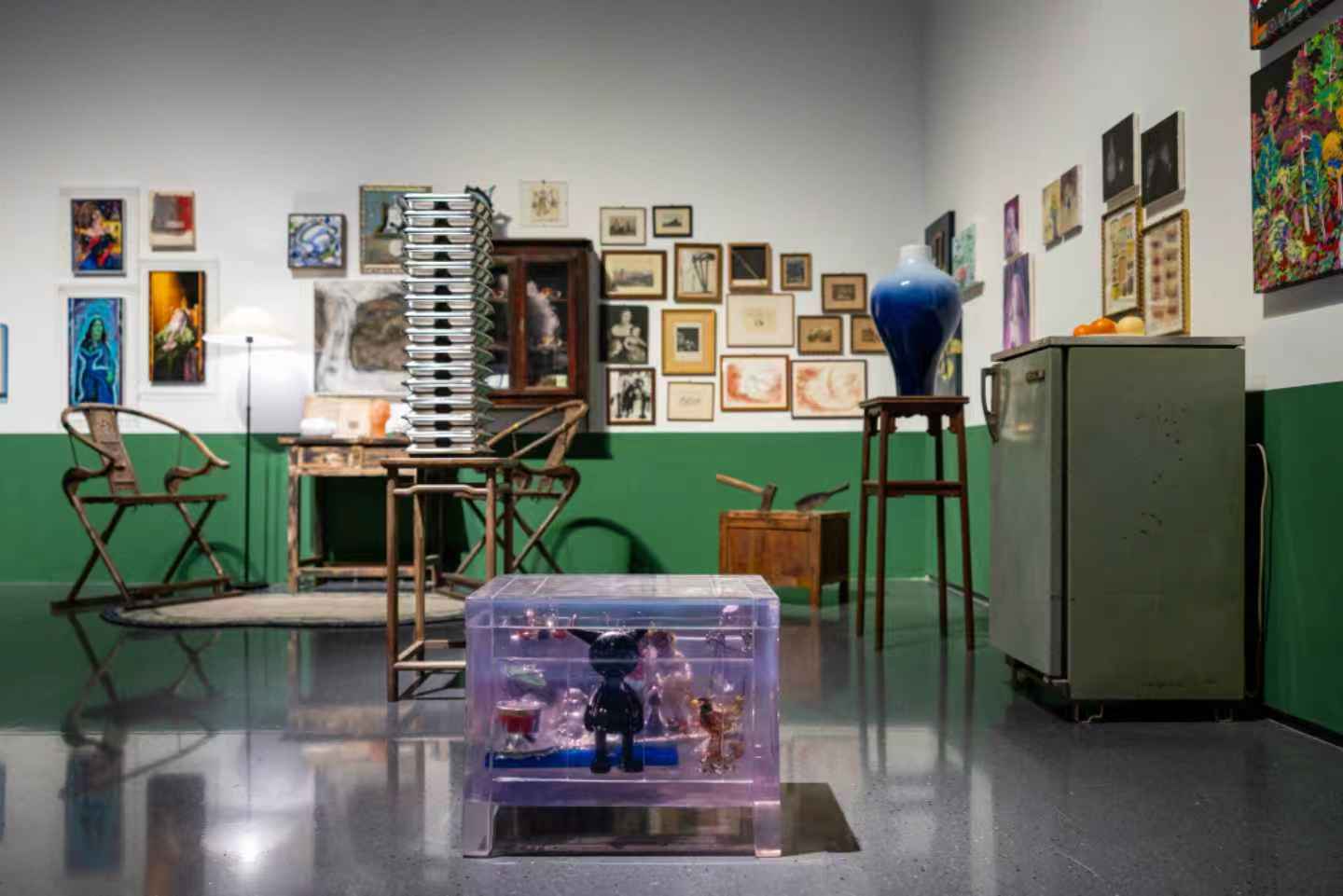
L’installazione si propone di offrire ai visitatori un ambiente “arredato” generato dall’ibridazione di oggetti appartenenti alla sfera privata dell’artista e altri tratti dal patrimonio culturale collettivo della città di Chengdu. Lo spazio riunisce arredi appartenuti a famiglie europee e cinesi, configurando così quello che può essere definito uno “spazio domestico condiviso”.
All’interno di questo contesto domestico, e in linea con la tradizione museografica occidentale, si articola una quadreria: un’esposizione di opere provenienti dalla collezione privata dell’artista, plasmate dalla sua sensibilità estetica. Questo assemblaggio riunisce “frammenti” espressivi di diversi artisti, accanto a stampe e fotografie anonime. A questo corpus di materiali di provenienza italiana si affianca una serie di opere – dipinti, sculture, vasi e oggetti pittorici – selezionate tra gli artisti cinesi con cui Del Guercio ha, nel tempo, instaurato duraturi rapporti di amicizia e reciproca stima.
L’installazione non è concepita come un’opera d’arte autonoma o a sé stante, bensì come un’opera spaziale abitabile, collettiva e ospitale, frutto di una contaminazione estetica e culturale. Opera nel presente, proiettandosi al futuro di coloro che, individualmente o come nuclei familiari, scelgono di creare la propria “Casa Museo”, concepita come contenitore di storia, interessi e gusti personali.
L’obiettivo di questa installazione accessibile ai visitatori è quello di fornire un modello in grado di attivare e ampliare forme di accessibilità al sistema dell’arte – rafforzando così la domanda interna alla società cinese – in un quadro di rinnovamento e trasformazione del concetto stesso di collezionismo. Questa trasformazione è intesa non solo in termini finanziari, ma anche come un cambiamento culturale, volto a rivitalizzare una tradizione di collezionismo privato diffuso, non più limitato a strati sociali ristretti, e a ricordare il suo ruolo storicamente centrale nella formazione del patrimonio artistico e museale mondiale.